Advanced Skin Treatment · Shongweni
Pigmentation Treatment in Shongweni
Clear stubborn pigmentation and achieve radiant skin with our expert treatments in Shongweni.
Discover effective pigmentation treatment in Shongweni. Book your free consultation today!
Start Chat
Clear stubborn pigmentation and achieve radiant skin with our expert treatments in Shongweni.
Struggling with persistent pigmentation in Shongweni can be frustrating, especially with KZN's intense UV rays that exacerbate the issue.
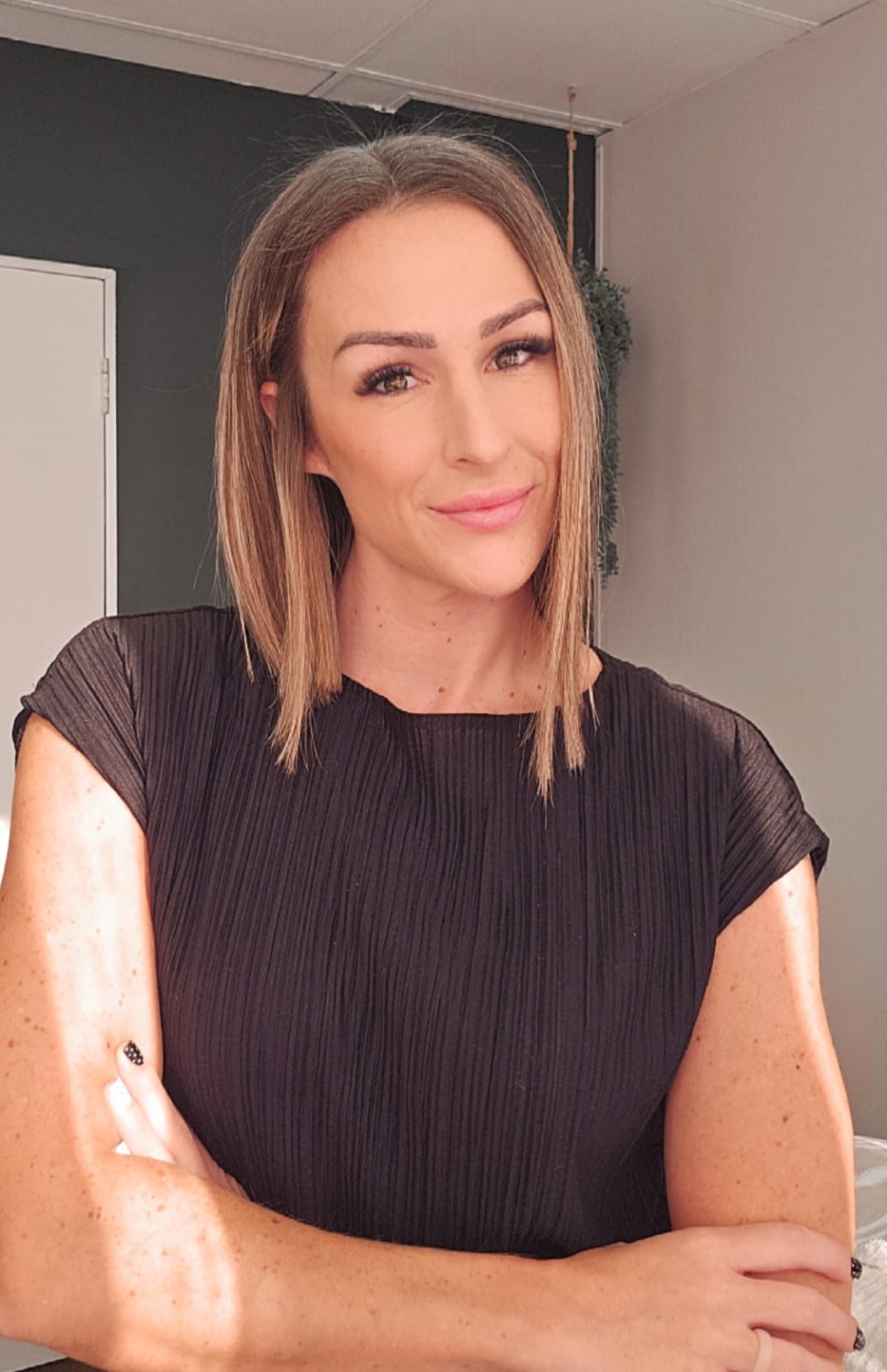
Meet Roxy, our skilled practitioner with 15 years of experience in KZN. We offer personalized treatments, including chemical peels, microneedling, and brightening actives to effectively manage your skin concerns.
Conveniently located for easy access from Shongweni, making your skincare journey hassle-free.
Roxy has over 15 years of experience treating all skin tones, understanding the unique challenges posed by KZN's UV climate.
We provide a personalized pigmentation protocol, ensuring that your treatment is tailored specifically to your skin’s needs.
Pigmentation is not one-size-fits-all — the right treatment depends entirely on what type you have. Roxy assesses your skin thoroughly at your free consultation in Shongweni.
Melasma appears as symmetrical patches of brown or greyish pigmentation — most commonly on the cheeks, forehead, upper lip, and chin. It is triggered primarily by hormonal changes (pregnancy, contraceptives) combined with UV exposure. Melasma is considered a chronic condition that requires ongoing management — but with the right protocol it can be dramatically faded and kept suppressed. Roxy has extensive experience treating melasma across all skin types in KwaZulu-Natal.
Best treated with: Chemical peels + brightening actives + strict SPF managementUV-induced hyperpigmentation appears as flat brown spots — commonly called sun spots, age spots, or liver spots — on areas of chronic sun exposure including the face, hands, chest, and shoulders. In KwaZulu-Natal's intense UV climate, sun damage is extremely common and can begin accumulating from a young age. Chemical peels and brightening protocols deliver excellent results for UV-induced pigmentation.
Best treated with: Chemical peels + microneedling + brightening serumsPIH is the dark marks left behind after inflammation — most commonly from acne breakouts, but also from insect bites, cuts, or any skin trauma. The melanin-producing cells respond to inflammation by producing excess pigment, leaving a dark mark that can persist for months. PIH is more pronounced in darker skin types and responds very well to targeted chemical peels and brightening protocols.
Best treated with: Chemical peels + brightening actives + microneedlingGenetic freckles (ephelides) are small, flat, light brown spots that typically appear in fair-skinned individuals and darken with sun exposure. Those who find them excessive or want a more even tone can see significant improvement through a course of chemical peels and consistent sun protection.
Best treated with: Chemical peels + SPF managementEven without distinct spots or patches, many clients struggle with an overall uneven, dull, or patchy skin tone — caused by a combination of sun damage, accumulated dead skin cells, sluggish cell turnover, and mild diffuse pigmentation. Chemical peels, brightening actives, and microneedling deliver transformative improvements in overall skin clarity and luminosity.
Best treated with: Chemical peels + brightening protocolsDarkening around the eye area can be caused by pigmentation (UV damage, genetics), vascular issues, or loss of volume. The pigmentation component responds well to carefully managed chemical peels and brightening actives applied to the periorbital area. Roxy assesses the cause of your dark circles at consultation to determine the most appropriate approach.
Best treated with: Targeted brightening protocols — assessed at consultationOver-the-counter brightening products work at the surface only. They can't reach the melanocytes — the cells deep in the skin that are actively producing excess pigment. Only medical-grade actives and professional treatments can reach deep enough to actually interrupt the melanin production cycle and deliver lasting results.
Understanding why your pigmentation is persistent is the first step to treating it effectively. Here are the key factors that make pigmentation stubborn — and why professional treatment in Shongweni makes the difference.
Even a few minutes of unprotected sun exposure each day is enough to keep melanocytes active and continuously produce new pigment — undoing any treatment progress. Consistent SPF use is the single most important factor in any pigmentation treatment plan.
Melanocytes — the cells that produce pigment — can retain a "memory" of previous inflammatory events, meaning they are primed to over-respond to subsequent triggers. This is why pigmentation can recur even after successful treatment, and why ongoing management and sun protection are essential.
Pigmentation that sits in the mid-to-deep dermis — as with some melasma — cannot be reached by topical products alone. Medical-grade chemical peels and microneedling with targeted actives are required to penetrate deeply enough to produce real, visible change.
Using the wrong actives, the wrong concentrations, or introducing treatments too aggressively on darker skin types can trigger post-inflammatory hyperpigmentation — actually worsening the pigmentation you're trying to treat. Expert guidance from Roxy is essential.
Melasma is driven by hormones and UV — meaning it can return even after successful treatment if hormonal triggers remain active. Roxy designs melasma protocols with this in mind, building in a long-term maintenance approach alongside in-clinic treatment.
Pigmentation treatment is a process — not a single session fix. Consistent treatment, the right home care protocol, and diligent sun protection over a course of sessions is what produces the lasting, transformative results that clients in Shongweni see with Roxy.
Roxy uses a targeted combination of proven, medical-grade treatments — selected based on your specific pigmentation type, skin tone, and goals.
The cornerstone of pigmentation treatment. Medical-grade peels — including the advanced BioRePeel — exfoliate pigmented skin cells and accelerate the turnover of the epidermal layers where melanin clusters form. They also stimulate fresh cell production beneath, revealing clearer, more even skin. For surface-level hyperpigmentation and sun spots, chemical peels are among the most effective treatments available. For melasma, they are combined with targeted actives and careful SPF management for optimal results.
Sun Spots PIH Melasma Uneven ToneMicroneedling creates thousands of micro-channels in the skin, allowing medical-grade brightening actives — including Vitamin C, tranexamic acid, kojic acid, and niacinamide — to penetrate far deeper than topical application allows. This combination approach targets melanocytes at a deeper level than peels alone, making it particularly effective for deeper or more stubborn pigmentation including certain types of melasma and PIH in darker skin tones.
Deep Pigmentation Melasma Darker Skin TonesThe right home care actives used between sessions are as important as the in-clinic treatments themselves. Roxy prescribes a precise protocol using medical-grade vitamin C, retinol, tranexamic acid, kojic acid, and niacinamide — each ingredient specifically chosen for your pigmentation type and skin tone. Used correctly, these actives suppress melanin production between sessions and dramatically accelerate your results.
All Pigmentation Types Home Care Melanin SuppressionStrict sun protection is not optional — it is the foundation of every pigmentation treatment plan. Without consistent, daily SPF, any progress from in-clinic treatments will be continuously undone by UV exposure. Roxy designs a comprehensive SPF protocol as part of your treatment plan and helps you find an SPF that you'll actually use every day.
All Pigmentation Types Essential FoundationLiving in KwaZulu-Natal means dealing with some of the most intense UV radiation in the world — year-round sunshine, high UV index days, and minimal winter cloud cover. This makes pigmentation and sun damage significantly more prevalent in our region than in cooler climates — and significantly more persistent without active management.
Roxy has spent 15+ years treating pigmentation specifically in the KZN climate — understanding exactly how the local UV environment affects skin across all skin tones, from Shongweni and the surrounding areas. Her protocols are designed with KZN's UV intensity in mind — combining targeted in-clinic treatments with home care and sun protection strategies that are realistic and effective for everyday life in our climate.
If you've been struggling with pigmentation that keeps coming back despite trying various products — the KZN sun is almost certainly part of the reason. The right professional protocol from Roxy will address it properly.
A clear, honest timeline of what your pigmentation treatment looks like at our Shongweni clinic — from your first consultation to lasting results.
Roxy assesses your pigmentation type, depth, extent, and contributing factors — including sun exposure habits, hormonal history, and previous treatments. She then designs a personalised protocol combining the right in-clinic treatments and home care actives for your specific skin. No obligation, no pressure.
Before or alongside your first treatment session, Roxy prescribes the right brightening actives and SPF for your skin — priming your skin for treatment and suppressing melanin production from the start.
Your first chemical peel or microneedling session is performed. Mild redness and possible light flaking follow over 3–7 days as the treatment works. You'll notice an initial improvement in skin brightness and clarity within the first 1–2 weeks.
With each session, pigmentation visibly fades and skin tone becomes more even. The combination of in-clinic treatment and home care actives progressively interrupts melanin production and accelerates the removal of existing pigment clusters.
By the completion of a full course, most clients see dramatic improvement in their pigmentation — visibly clearer, more even-toned skin with significantly reduced dark spots and patches. The transformation is real, measurable, and lasting with ongoing maintenance.
Pigmentation — particularly melasma and UV-induced pigmentation in KZN — requires ongoing management. Roxy designs a maintenance protocol that keeps your results, prevents recurrence, and fits realistically into your lifestyle and budget.
Pigmentation aftercare is critical — especially in KwaZulu-Natal. Here's exactly what to do and avoid between your treatment sessions in Shongweni.
This is the single most important thing you can do. Apply a broad-spectrum SPF 30+ every single morning — even on overcast days, even indoors near windows. In KZN's UV climate, this is non-negotiable for anyone treating pigmentation.
Apply your prescribed vitamin C, tranexamic acid, or niacinamide serums exactly as directed by Roxy. Consistency is everything — missing applications slows your progress and allows melanin production to continue unchecked.
SPF alone is not enough in KZN's direct midday sun. Wearing a wide-brimmed hat and seeking shade during peak UV hours (10am–3pm) meaningfully reduces the UV load your skin receives and protects your treatment investment.
A well-moisturised skin barrier heals more effectively and tolerates active ingredients better. Use the moisturiser recommended by Roxy morning and evening to keep your skin calm, nourished, and responsive to treatment.
Up to 80% of UV radiation penetrates cloud cover. Skipping SPF on a cloudy day in KZN is enough to trigger melanin production and undo treatment progress. Daily SPF is a year-round commitment, not a summer-only habit.
Waxing, threading, laser, and heat-based treatments on pigmented areas can trigger post-inflammatory pigmentation — particularly in darker skin tones. Avoid these on treated areas during your protocol course.
Avoid introducing new skincare products — especially active ingredients — during your treatment course without checking with Roxy first. The wrong combination of actives can irritate skin and trigger new pigmentation.
Pigmentation treatment is a process — not a single-session fix. Patience, consistency, and trust in the protocol are what deliver the lasting, visible results. Roxy will be honest with you about timelines at your consultation.
Every skin and pigmentation type is different — Roxy will give you a precise recommendation at your free consultation. Here are general guidelines for pigmentation treatment in Shongweni.
Here are some commonly asked questions about our pigmentation treatments in Shongweni.
In Shongweni, we offer a variety of pigmentation treatments including chemical peels, microneedling, and specialized brightening products tailored to your skin.
The intense year-round sunshine in KZN can cause pigmentation issues to recur, making it essential to have ongoing treatment to manage conditions like melasma.
Yes, we have effective strategies for managing melasma in Shongweni, though it's a chronic condition that requires ongoing care and personalized treatment plans.
Frequency depends on your specific condition, but we typically recommend treatments every 4-6 weeks to effectively manage pigmentation.
Absolutely! We offer free consultations in Shongweni to assess your pigmentation concerns and discuss the best treatment options available.
Look for dark patches or spots that may appear on sun-exposed areas of the skin. These can be exacerbated by KZN’s UV exposure.
Yes, we provide personalized skincare regimens that you can follow at home to enhance your treatment results from our clinic in Shongweni.
We proudly serve Shongweni and its surrounding areas with expert pigmentation treatments.
Book your free consultation today and take the first step towards radiant skin. Our tailored treatments consider the unique KZN climate.